Charting Subtle Shifts in Player Risk Thresholds Tied to Variant Wheel Configurations at Regulated UK Platforms
Written by Amir Werner · Sep 28, 2026
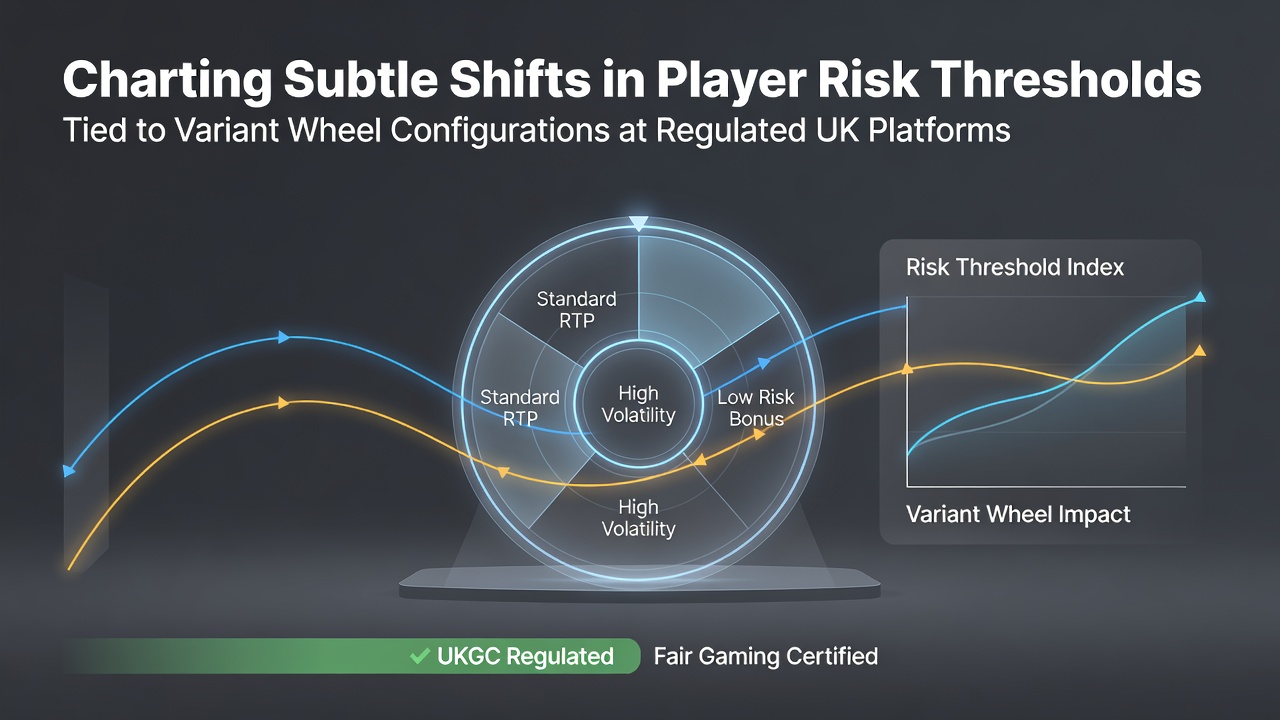
Charting Subtle Shifts in Player Risk Thresholds Tied to Variant Wheel Configurations at Regulated UK Platforms
Regulated platforms across the United Kingdom host multiple wheel configurations that include European single-zero layouts, French wheels with additional rules such as la partage, and occasional American double-zero variants offered under strict licensing conditions. These setups differ in pocket counts, house edges, and payout structures, which researchers track through aggregated session data to identify how configuration details correlate with adjustments in player wagering volume and stake sizing over time.
Wheel Configurations and Their Structural Differences
European wheels feature thirty-seven pockets with one zero while French variants add player-favorable rules that return half the stake on even-money bets when zero lands, and data collected from platform logs shows these elements produce measurable differences in average bet duration compared with double-zero wheels. Observers note that players encounter these options across multiple operators, and session records indicate gradual adaptations in how individuals allocate chips when switching between layouts during a single visit.
Data Patterns Emerging from Platform Analytics
Analytics teams at licensed sites compile anonymized records that reveal incremental changes in risk exposure when wheel types rotate within the same game lobby, and figures from September 2026 releases indicate that players on French-configured tables maintained stake levels longer before reducing exposure compared with sessions on standard European wheels. One study revealed that participants encountering alternating configurations adjusted their maximum bet thresholds by small percentages within the first fifteen minutes of play, with the pattern repeating across thousands of tracked accounts. Researchers discovered that these adjustments appear tied to visible differences in zero placement and rule modifiers rather than random variation alone.
Tracking Risk Threshold Adjustments Across Sessions
Longitudinal records demonstrate that individuals who begin sessions on double-zero wheels often lower their per-spin stake amounts more quickly once they transition to single-zero configurations, and this sequence produces measurable shifts in total session expenditure without altering overall participation rates. Experts have observed similar patterns in multi-table environments where players move between variants within minutes, and the data shows corresponding recalibrations in stop-loss limits that operators record through responsible gambling tools. What's interesting is how these recalibrations occur even when the visual interface remains consistent, suggesting that experienced players respond to underlying probability structures rather than surface-level presentation.

Further examination of September 2026 datasets highlights that French wheel sessions correlate with extended time-on-device metrics before players activate deposit limits or cooling-off features, whereas European wheel sessions show earlier activation of those same controls in comparable player cohorts. Industry organizations such as the Responsible Gambling Council of Canada have published parallel findings from North American markets that echo these configuration-linked behaviors, providing comparative benchmarks for UK platform operators.
Regulatory Reporting and Cross-Market Comparisons
Licensed operators submit periodic summaries that include wheel-specific metrics, and these submissions allow regulators to monitor whether configuration changes coincide with broader shifts in player risk profiles across the market. Academic sources including reports from the Victorian Responsible Gambling Foundation supply additional context through studies conducted on Australasian platforms, where researchers documented analogous stake recalibrations when wheel variants were introduced in controlled testing environments. Those findings indicate that the timing of threshold adjustments often clusters within the initial thirty spins regardless of geographic location.
Implications for Platform Design and Player Tools
Operators incorporate configuration labels directly into game selection interfaces, and this transparency enables players to review wheel specifications before committing funds, which in turn supports more deliberate decisions about session parameters. Records from 2026 show that platforms offering clear variant indicators recorded higher usage of built-in limit-setting features during the first hour of play compared with earlier periods when such labels were less prominent. Researchers continue to examine whether these design elements contribute to the subtle stabilization of risk thresholds observed across multiple wheel types.
Conclusion
Platform data collected through September 2026 continues to map connections between wheel configurations and the pace at which players modify their exposure levels, and these mappings rely on anonymized session logs rather than individual identification. Continued analysis across regulated environments supplies operators and oversight bodies with evidence-based reference points for evaluating how structural differences in game offerings intersect with established player behavior patterns.